
Waterland is a scenic region just north of Amsterdam, home to the charming villages of Marken, Monnickendam, and Volendam, where quiet canals, historic harbours, and traditional Dutch life create a peaceful escape from the city.
Marken, Monnickendam, Volendam – Edam, and Broek in Waterland are historic Dutch villages near Amsterdam, each with deep roots in fishing and trade, where charming houses, peaceful canals, and centuries-old traditions reflect the rich maritime heritage of the Netherlands.
Here’s why these villages should be at the top of your travel list:
Marken is a delightful village in North Holland, once an island in the Zuiderzee and now connected to the mainland by a narrow causeway. It’s famous for its traditional wooden houses painted in green and white, often perched on small mounds or stilts to protect them from flooding.
The village has kept much of its old-world charm, with narrow lanes, flower-filled gardens, and a peaceful harbour lined with fishing boats. Visitors can explore the Marker Museum, which tells the story of Marken’s fishing heritage and everyday life, or see how traditional clogs are made in one of the local workshops.
A walk through Marken feels like stepping into a painting. Locals sometimes still wear traditional Dutch dress, especially during festivals, and the whole village has a quiet, storybook feel. The lighthouse at the tip of the peninsula, known as Paard van Marken (the Horse of Marken), is a lovely spot to visit and offers beautiful views across the water. With its mix of history, culture, and natural beauty, Marken is a perfect place for a peaceful day out in the Dutch countryside.
Once a thriving port in the Middle Ages, Monnickendam still carries the quiet elegance of its maritime past, with picturesque canals, 17th-century gabled houses, and a beautifully preserved town center. The name “Monnickendam” comes from the monks who founded the settlement (Dutch for Monks Dam).
The sense of timelessness lingers in the cobbled streets and old churches, such as the striking St. Nicholas Church with its impressive organ. The town’s compact harbor is still active with small boats and yachts, and it makes for a lovely place to sit and watch the water while enjoying a coffee from one of the local cafés.
Visitors to Monnickendam can explore its cultural side through the Waterlandsmuseum De Speeltoren. This museum is housed in a historic bell tower, where exhibits tell the story of local life, trade, and water management. The town is also known for its artisanal smoked fish, a nod to its fishing legacy, and you can often smell eel and herring being smoked in traditional wooden huts. With its peaceful atmosphere, scenic views, and deep historical roots, Monnickendam offers a perfect blend of authenticity and tranquility, making it an ideal stop for those seeking to experience the quieter, more picturesque corners of the Dutch countryside.
Volendam is known for its vibrant harbor, traditional Dutch costumes, and welcoming atmosphere. Once a retreat for artists and writers inspired by its scenic beauty, Volendam today still charms visitors with its wooden houses, narrow alleys, and bustling waterfront. The harbor is the heart of the town, lined with cheerful cafes, fresh seafood stalls, and boats swaying gently in the breeze. It’s easy to lose track of time while strolling along the dike, enjoying smoked eel or kibbeling, and soaking in the timeless views across the water.
The town’s cultural roots run deep. At the Volendams Museum, visitors can learn about the village’s fishing heritage, folk art, and daily life through the centuries. You can even dress up in traditional Volendam costume for a photo, a popular and playful nod to the town’s past. Music also plays a big role here; Volendam is famous in the Netherlands for producing popular singers and bands, often referred to as part of the “Palingsound” movement. With its mix of history, local flavour, and postcard-perfect charm.
Surrounded by green fields, Broek is full of old wooden houses painted in soft colors like blue, green, and pink, each with neat gardens and flower-filled windows. Long ago, Broek was a favorite spot for rich sea captains and traders to build their homes, and today it still keeps that clean, graceful look. Walking through its calm streets, with ducks on the water and no busy traffic, is a true escape from city life.
At the center of the village is the small, peaceful Broeker Church with its wooden ceiling and pretty graveyard. People here have always taken pride in keeping their village tidy. There’s even an old saying that you could eat off the streets! Broek is perfect for a quiet walk, a relaxing bike ride, or simply sitting by the canal and listening to birds sing.
These villages are close to Amsterdam and to each other. Visiting all four in one day is realistic when transport is planned well, especially with a guided tour or private transport.
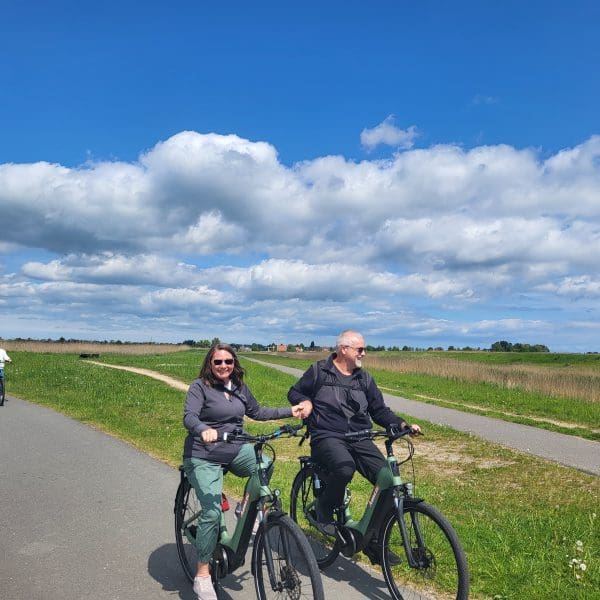
Public transport is possible but involves multiple buses and careful timing. Many visitors choose a guided countryside bike tour or private driver to avoid transfers and make the most of limited time.
Most visitors spend 45 to 90 minutes per village. The exact time depends on whether you plan to walk, eat lunch, visit a museum, or simply explore.
Generally yes, but some areas have uneven cobblestones, narrow paths, or small bridges. A private tour allows routes and stops to be adjusted for comfort.
The villages themselves do not require tickets. Specific attractions, museums, or experiences within them may require advance booking, especially in peak season.
Comfortable walking shoes are essential. The countryside can be windy and cooler than Amsterdam, so layers are recommended even in summer.
The villages are calm, scenic, and easy to explore at a relaxed pace. They are especially popular with families and travellers looking to escape city crowds.