
Explore the old towns of Northern Europe that were once busy trading centres. Walk through the narrow streets of Lübeck, see the pretty harbours in Bergen, or visit the old merchant houses in Kampen. These towns are full of charm, with red-brick buildings, canals, markets, and cosy cafés. A great place to enjoy history, culture, and beautiful views
Linked by the Hanseatic League, they grew rich through trade in goods like salt, grain, timber, and wool, Hanseatic towns thrived from the 13th to the 17th century, were key trading centres across Northern Europe.
Here’s why Hanseatic Towns should be at the top of your travel list:
Our advice: Long full day
Travel time from Amsterdam: about 1 hour 30 minutes each way.
Around an hour and a half each way makes this a long day. It suits guests who have already seen the classic sights near Amsterdam and would like somewhere quieter and less visited.
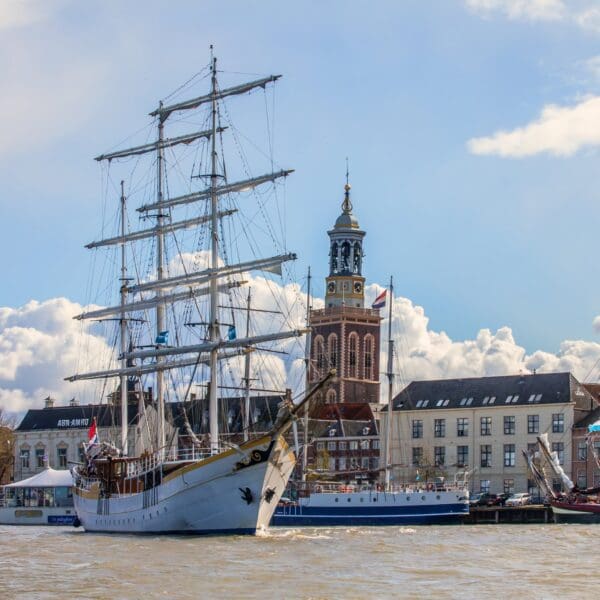
Kampen, set on the River IJssel, was once one of the most powerful Hanseatic towns in the Netherlands. Known for its strong fleet and busy trade routes, it played a key role in the Baltic trade. The town still shows off its trading past with old warehouses, city gates, and merchant houses. With its compact centre and well-kept streets, Kampen is a clear example of a Hanseatic town that shaped Dutch history.
A walk through Kampen’s old town is a must, with highlights like the Koornmarktpoort and Broederpoort – two impressive medieval city gates. Visit the Stedelijk Museum to learn more about Kampen’s Hanseatic past, or admire the Bovenkerk, a grand Gothic church. Take a peaceful stroll along the river to see the historic ships and don’t forget to visit one of the town’s regular markets and events for a taste of local life.
Zwolle was a rising star in the Hanseatic League during the 15th century, growing wealthy through trade and craftsmanship. Its central location made it a key link in Northern Europe’s trading network. Today, Zwolle’s mix of medieval towers, canals, and modern culture reflects its layered past.
Be sure to visit the Sassenpoort, a striking medieval gate, and the Museum de Fundatie, set in a grand neoclassical palace with contemporary art inside. The Gothic Grote Kerk stands proudly in the town square, while the surrounding cafés and bookshops give the city a lively atmosphere. Zwolle also hosts regular markets and festivals, perfect for exploring local traditions.
Hattem may be small, but its Hanseatic roots run deep. Located on the edge of the Veluwe forest, this charming town once thrived on trade and craftwork. Its narrow lanes and quaint buildings create a quiet yet historic feel.
Don’t miss the Dijkpoort, a sturdy medieval gate that hints at Hattem’s past importance. The Voerman Museum offers a mix of local art and history, and the town square is a pleasant spot to relax. A short walk brings you to riverside paths and green landscapes, ideal for cycling or walking. Hattem is perfect for a relaxed day full of heritage.
Harderwijk, once a bustling harbour town on the Zuiderzee, played a strong role in Hanseatic trade, especially in fish and salt. Its location made it a key player in medieval shipping routes.
Today, the waterfront is still a focal point, with restored ships and a lively promenade. Visit the City Museum to dive into Harderwijk’s maritime past, or admire the Vischpoort gate looking out over the water. The old town centre is full of charming alleys, and the nearby beach area adds a relaxing touch. A good mix of history and sea breeze.
Hasselt was a member of the Hanseatic League in the 14th century and once held a strategic role in regional trade. Today it’s a peaceful town with canals, churches, and historic buildings that reflect its medieval past.
A walk through the old centre takes you past narrow lanes, the graceful St. Stephen’s Church, and parts of the old city walls. Take a boat ride on the canals or enjoy the views from one of the small bridges. The town’s laidback charm makes it a pleasant stop for those interested in Hanseatic heritage off the beaten path.
Deventer is one of the oldest cities in the Netherlands, with deep Hanseatic roots and a reputation for learning and trade. Located on the River IJssel, it grew rich from shipping and markets, and later became a centre of printing and books.
Explore the old merchant houses around the Brink square and visit the Waag, a medieval weighing house that now holds a museum. Deventer is also known for its historic book fair and has many independent bookshops. The Lebuinus Church offers sweeping views from its tower, and the riverside paths are perfect for a scenic walk.
The Deventer Koek is a dark, spiced gingerbread loaf with a recipe dating back to at least 1417, and Bussink has been baking it in Deventer since 1593 – one of the oldest continuously produced regional foods in the Netherlands. The flavour of cinnamon, anise, and clove is unlike anything else you will find in the country.


If you only have one day, choose a town that is easy to reach and compact to explore. Towns like Deventer or Zwolle work well because you can see the historic centre, walk along the river, and enjoy lunch without feeling rushed.
Most Hanseatic towns are accessible by train, but visiting more than one in a day can involve transfers and longer travel times. A car or guided tour makes combining towns much easier.
Plan at least half a day per town. This allows time for walking the historic streets, visiting a church or museum, and enjoying a relaxed meal or coffee.
Compared to Amsterdam, Hanseatic towns are much quieter. They are popular with Dutch visitors but still feel local and relaxed, even during peak season.
The centres are generally flat, walkable, and calm. They are well suited for travellers who prefer a slower pace, including families and older visitors.
They are ideal for travellers interested in history, architecture, local life, and slower travel, especially those looking to escape crowds and experience a more authentic side of the Netherlands.