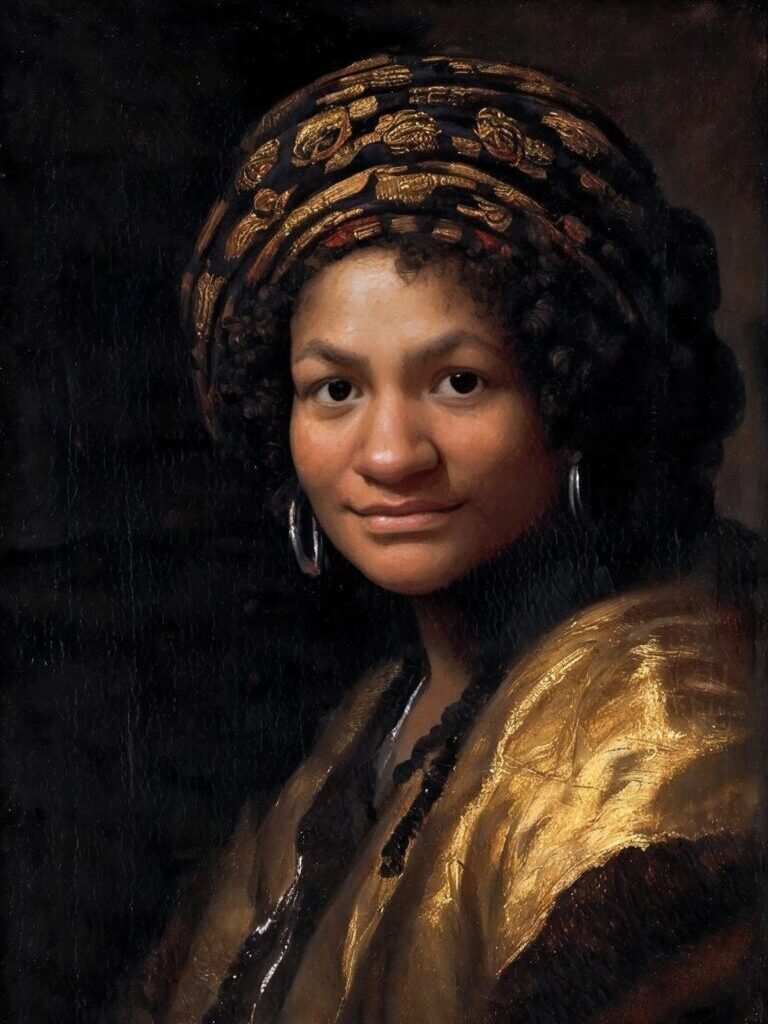
Rijksmuseum, Van Gogh and more, with a guide matched to you
Amsterdam has more than ninety museums, and two of them are on almost everybody’s list. The Rijksmuseum and the Van Gogh Museum sit on opposite sides of the same square, four minutes apart, and most visitors arrive without a clear sense of which one they actually want, or whether they have time for both.
This page is here to help you decide before you book. Below you will find an honest comparison of the two, guidance for different kinds of traveller, and an explanation of something we do differently: we choose your guide to suit you, rather than sending whoever happens to be free.
Every tour below is fully private, so it is just your group and your guide. Museum tickets are included, and we match the guide to who is coming and what interests them. Tell us your dates and we will suggest the best fit.
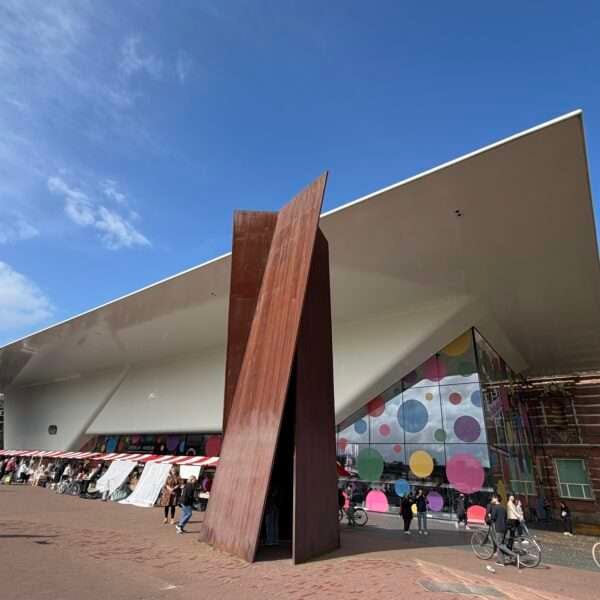
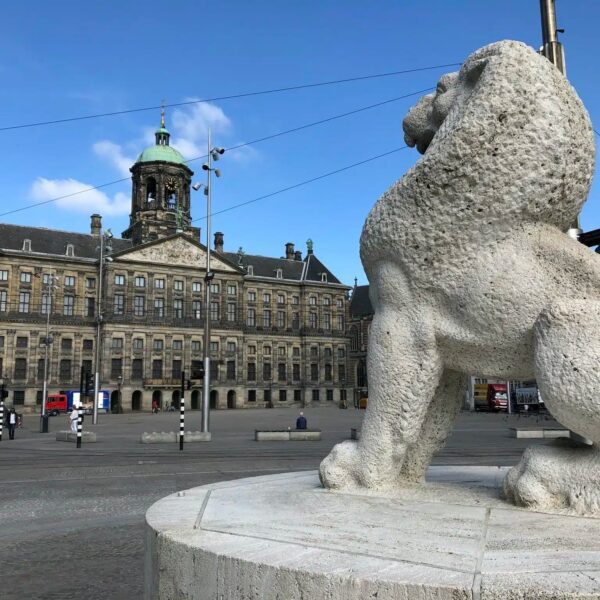


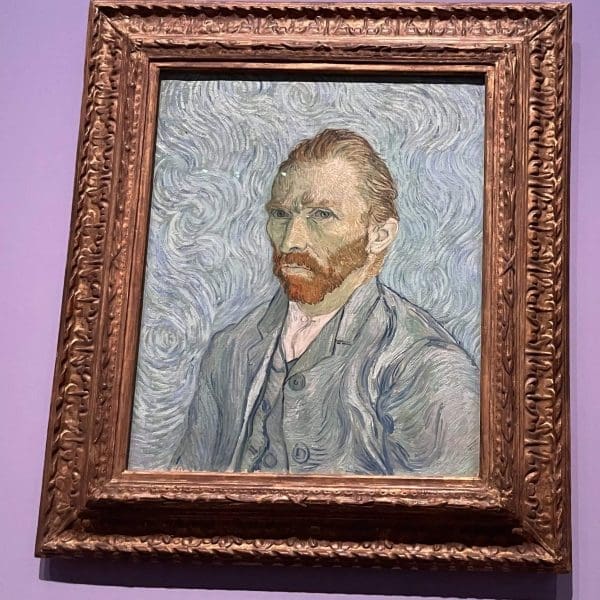
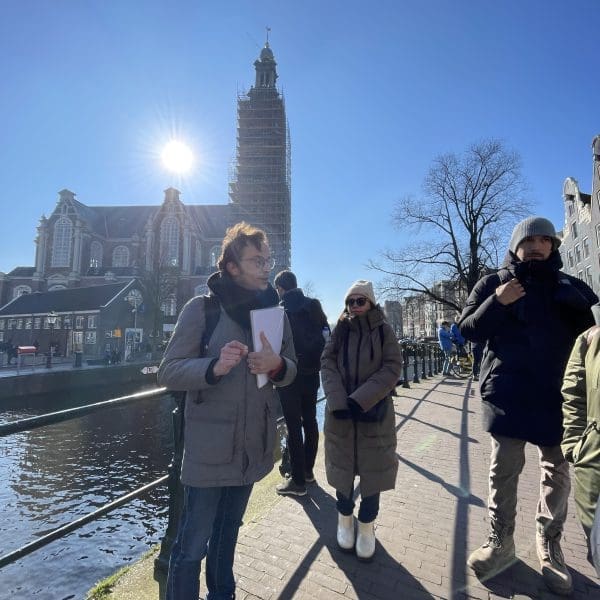
The Rijksmuseum, Van Gogh Museum and Stedelijk Museum are our fixed museum tours, but they are not the limit. On a bespoke tour or a guide for the day, we can build a visit around almost any museum in the city.
Popular additions include:
If you are planning further afield, our complete guide to museums in the Netherlands lists more than 1,000 of them by province.
Tell us what interests you and we will build the day around it.
These two museums are often mentioned in the same breath, but they offer very different days out. One is the story of a country. The other is the story of a single man.
| Rijksmuseum | Van Gogh Museum | |
|---|---|---|
| The story | 800 years of Dutch history, told through art | One artist’s life, told in order |
| Size | Around 8,000 objects across 80 galleries | Around 200 paintings over four floors |
| You will see | The Night Watch, The Milkmaid, Delftware, ship models, the library | Sunflowers, The Bedroom, The Potato Eaters, Almond Blossom |
| Guided time | 2 hours, and you are welcome to stay on | 2 hours, which covers it comfortably |
| The building | A Pierre Cuypers masterpiece, worth seeing in itself | Functional and modern; the art is the point |
| Best for | Breadth, history, famous paintings, families | Emotional connection, one clear narrative |
Most companies allocate guides by availability. We match them to the people who are coming, and in a museum that matters more than almost anywhere else. The same two hours in the Gallery of Honour can be an art history masterclass, a lesson in how paint actually behaves on canvas, or a treasure hunt that keeps a seven-year-old completely absorbed. It depends entirely on who is standing next to you.
Between them, our museum guides include art historians, a working artist, a Golden Age specialist, a photographer who has walked this city for decades, and guides who bring Jewish heritage or a journalist’s eye for the detail everyone else misses. Several are particularly good with children, turning a gallery into something much closer to a game than a lecture.
When you enquire, tell us who is coming and what you are curious about, and we will put the right person in front of you. The profiles below show who you might get, and if you have a preference, just say so.
The two museums face each other across Museumplein, about a four-minute walk apart, which makes combining them far easier than most cities would allow.
We can run the pair as a longer private tour with the same guide throughout, and that continuity is the whole point. Your guide can set up the Golden Age in the Rijksmuseum, then walk you across the square and show you exactly what Van Gogh was pushing against. Two separate tours with two different guides cannot do that.
Is that too much art for one day? For most people, no, provided there is a break in the middle and the guide is reading the room. A good guide will cut material rather than march you through a checklist. If you are travelling with children or anyone who tires easily, we would usually suggest one museum done well instead.
Which order? In the morning we tend to start with the Van Gogh Museum and in the afternoon with the Rijksmuseum, simply because that is when each tends to be quietest.
Combining both is arranged on request rather than booked online, so tell us what you have in mind and we will put it together.
Tickets are included, and so is the queue. Every private museum tour includes your entry tickets. Your guide handles the timed-entry slot and takes you straight in, so skipping the line here means genuinely not queueing rather than joining a shorter one.
Timed entry is real. Both museums allocate entry slots, and neither lets you drift in whenever suits. This is the single most common reason independent visitors lose an hour of their day.
The quietest times are the first slot of the morning and the last two hours before closing. Midday on a weekend in spring is the worst it gets.
The Museumkaart only makes sense if you are visiting four or more Dutch museums. For a two or three day trip it rarely pays for itself.
Both museums are on Museumplein, along with the Stedelijk and the Concertgebouw, so the area works well for a half or full day without any transport.
Several operators cover the Rijksmuseum and the Van Gogh Museum, and they work in quite different ways. Some are marketplaces where you pick an individual guide from a profile, some are art history practices built around one or two specialists, and some simply assign whichever guide is free that day. We do it the other way round and match the guide to your group, whether that is an art historian, a Dutch Golden Age specialist or a working artist. If you are comparing operators, the three questions worth asking any of them are whether the tour is exclusively yours, whether museum tickets are included, and whether the guide is registered to guide inside that museum.
For a first visit, the Rijksmuseum. It covers 800 years of Dutch history and art in one building, so it gives you the context for everything else you will see in the city. Choose the Van Gogh Museum instead if you want one focused emotional story rather than breadth, or if you have already done the Rijksmuseum on a previous trip.
A guided museum tour usually means joining a scheduled group of strangers at a fixed departure time, often ten to twenty people sharing one guide. A private tour is yours alone: your own guide, a start time you choose, and a route built around what interests you rather than a fixed script. If you want to spend twenty minutes in front of one painting and skip a whole wing, you can.
Up to 10 guests as a rule, and the tour is yours alone whatever the number. Individual museums sometimes cap it lower, so the Yayoi Kusama exhibition at the Stedelijk is limited to 7. Larger groups are often possible, so tell us how many you are when you enquire and we will confirm what each museum allows on your dates.
Our private Rijksmuseum, Van Gogh Museum and Stedelijk Museum tours start at €360 for two hours, with museum entry included for everyone in the group. You can book any of them online and choose your own start time. If you want more than one museum, or a museum we do not list, get in touch and we will build it around your dates.
English and Dutch as standard, on every museum tour. French, Spanish and other languages are available on request. Tell us which you would prefer when you enquire and we will confirm which guides are free on your dates.
Yes. Our guides are registered with the museums to guide commercially inside them, which is not true of every operator and is worth checking before you book anywhere. It also means we handle the timed entry and the registration admin, so you walk in with your guide rather than sorting anything out at the door.
Yes. Entry tickets are included in the price for the Rijksmuseum, Van Gogh Museum and Stedelijk Museum tours, and your guide handles the timed entry so you go straight in without queueing.
Yes. The Rijksmuseum, Van Gogh Museum and Stedelijk Museum are our fixed museum tours, but on a bespoke tour we can include the Rembrandt House, the Dutch Resistance Museum, the maritime museum, the Jewish Historical Museum and many others. Anne Frank House needs the most notice because of how its tickets are released.
Yes, and in this order: the Rijksmuseum first, then the Van Gogh Museum, with the same guide across both. You see the Golden Age masters, then walk four minutes across Museumplein to watch a man take that tradition apart sixty years later. Allow around four to five hours including the walk and a short break. Without a guide, allow a full day and expect to spend a fair part of it working out where to go.